8 min read
Forget CPAP: How Dentists Are Quietly Revolutionizing Sleep Apnea Treatment
Sleep plays a crucial role in overall health and well-being.
Featured
Key Highlights
Here are the key takeaways from this guide:
- Dental sleep medicine is a good treatment option for people who have sleep apnea and snoring. It uses oral appliance therapy to help.
- This area brings together the fields of dentistry and sleep medicine. Dentists and sleep doctors work with each other to take care of the patient.
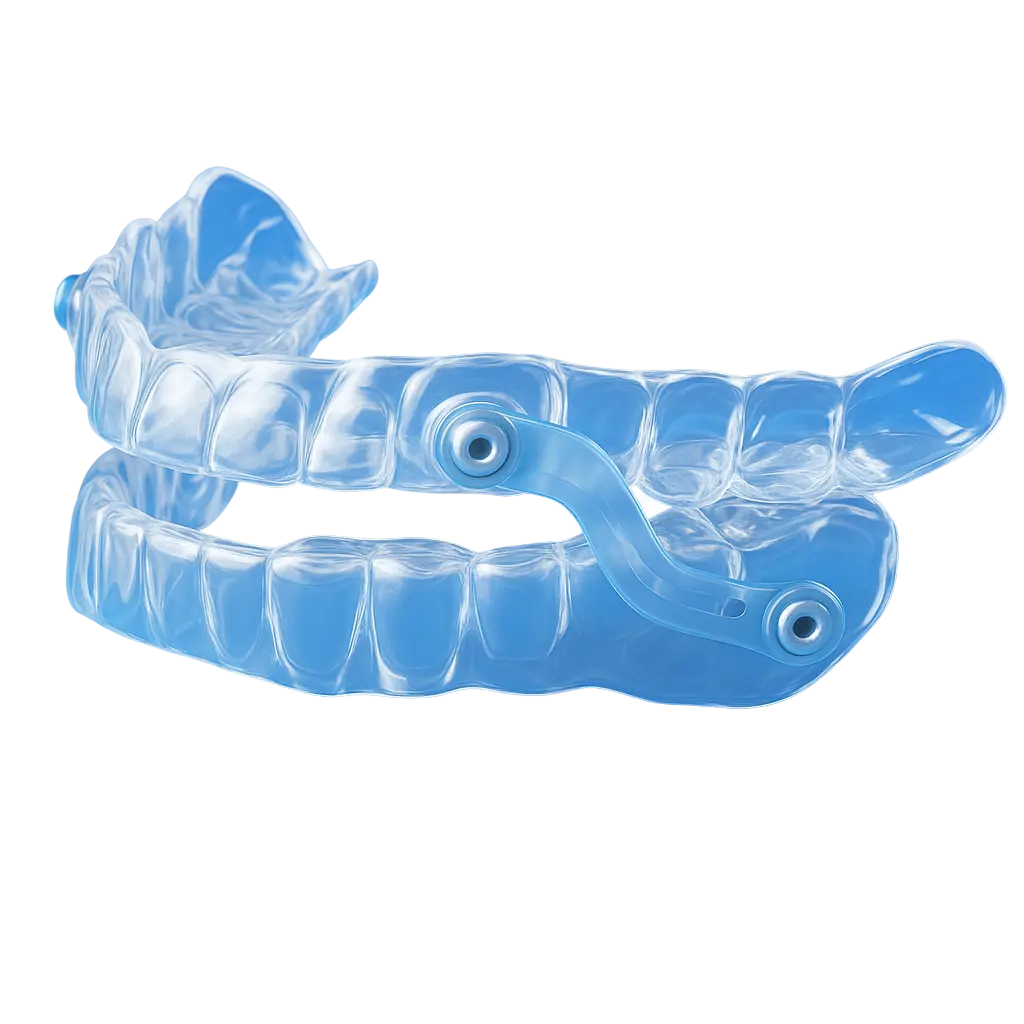
- The main treatment is called a mandibular advancement device. It keeps the airway open by moving the lower jaw forward.
- Oral appliances are a proven option instead of CPAP therapy. Many people show higher compliance and feel more satisfied with appliance therapy.
- This treatment is best for those who have mild to moderate sleep apnea or for people who can’t use CPAP therapy.
Introduction
A good night’s sleep is very important for your health and for how you feel every day. A lot of people in the US have sleep disorders such as obstructive sleep apnea. These issues can stop people from getting good rest and put their health in danger. To help with these problems, doctors often use CPAP machines. But now, there is something new in sleep medicine. Dental sleep medicine is starting to change things for the better. Dentists are now helping people with obstructive sleep apnea. They can help you breathe easier and sleep better at night. This new way is making big changes in how sleep apnea and other obstructive sleep problems are treated.
The Rising Importance of Dental Sleep Medicine in America
Dental sleep medicine be part of dentistry. It helps people who have sleep problems, like sleep apnea and snoring. The treatment option uses oral appliances that fit well in your mouth. These oral appliances make it easier to breathe at night. Dental sleep medicine gives an easy and new way to treat sleep apnea and other sleep issues.
According to the American Academy of Dental Sleep Medicine, dentists with the right training work with a sleep specialist. A doctor checks if you have a problem with your sleep. A dentist can look for dangers, make a mouth device for you, and help with your care. This gives a full plan to watch over your sleep health. Next, we will talk about how sleep helps your health. We will also look at how dental sleep medicine is changing sleep treatment.
How Sleep Impacts Health and Daily Life
Bad sleep quality can make every part of your day feel harder. If you have sleep disorders, you will feel tired during the day. It can be hard to think clearly. This may also make your quality of life worse. Problems from low sleep quality and daytime sleepiness can turn into big health issues over time.
Untreated sleep apnea is not good for your health. It can cause high blood pressure. It may also lead to heart failure and atrial fibrillation. There is a risk of stroke as well. That is why finding an effective treatment for sleep apnea is important. If you take care of this now, you can feel better and stay healthy for a long time.
One way to treat sleep apnea is with oral appliance therapy. You use a mouthpiece made just for you. It is a lot like a retainer that fits in your mouth. The mouthpiece moves your jaw and tongue into a better spot in your mouth. This helps keep your airway open when you sleep. Because of appliance therapy, you be able to breathe well without stops while you rest at night.
Why Dentistry Is Shaping the Future of Sleep Apnea Treatment
Dentistry is making a big change in how sleep apnea gets treated. Now, dental sleep medicine gives a new treatment option that is more comfortable for people. It does not use surgery. A lot of people feel it is easier than the old CPAP machine. This new way is all about appliance therapy, and oral appliance therapy is at the center of this option.
These devices work by gently pushing your lower jaw and tongue to the front. When the lower jaw goes forward, it keeps the soft parts at the back of your throat from falling back. This helps to keep your airway open when you sleep.
This is why oral appliance therapy can work well for some people. A lot of doctors will suggest it to people with mild or moderate sleep apnea. Appliance therapy is also good for those who feel that cpap therapy is not easy or is hard to use. It gives them another way to get better sleep.
Linking Dental Science with Sleep Physiology
The connection between dental science and sleep is what makes this treatment special. The shape of your mouth and jaw can affect the way you breathe when you sleep. As you fall asleep, the muscles in your whole body relax. The same thing happens to your throat and tongue muscles. This might make the upper airway get smaller or even close.
Dental sleep medicine is about using what we know from sleep medicine to help people rest better. A common tool is a mandibular advancement splint. This device keeps the jaw in a forward position. With the jaw moved forward, there is more space for air to flow. It also helps raise muscle activity around your airway. This is the way sleep medicine and dental sleep medicine join to help you get good sleep.
Compared to CPAP, which gives a steady flow of air called continuous positive airway pressure to help keep your airway open, oral appliances do things in another way. Oral appliances work as a simple mechanical answer. They are not hard to use. They make no sound at all and are small and easy to carry anywhere. Because of these things, many people pick oral appliances over CPAP machines for long-term use.
Dental Sleep Medicine Explained: Bridging Dentistry and Sleep Health
Dental sleep medicine uses oral appliance therapy to help people with obstructive sleep and breathing problems. In this type of care, the dentist knows a lot about the mouth, and the doctor knows about sleep health. Together, they treat obstructive sleep apnea and other sleep disorders. Oral appliance therapy is the main way to help with treatment of OSA and other types of sleep apnea. This makes it a good choice for those who need a simple way to get better sleep and better health.
This way of helping people deal with sleep apnea can feel like a lifeline. It brings comfort. It works well. It is easy to use. In the next parts, we will talk about what this means for patients. We will also look at how the dentist and the doctor get to work together. You will see who gets the most help from this.
Defining Dental Sleep Medicine for Everyday Patients
Dental sleep medicine is a kind of care in dentistry that helps people who have trouble sleeping. It uses oral appliances that are made to fit your mouth. These help with obstructive sleep apnea and also help with the treatment of snoring. The goal is to make sleep better by working on problems caused by obstructive sleep. Dental sleep medicine can help you feel good, sleep well, and have a better day when you wake up.
Instead of putting on a mask with a machine, this treatment uses a device that seems like a sports mouthguard or an orthodontic retainer. You only need to wear it at night when you go to sleep. It helps keep your airway open so it does not get blocked.
The American Academy of Dental Sleep Medicine started working in this area early on. This group gave the first definition in 2008. Since then, what sleep medicine means has changed. In 2016, Frank Lobbezoo and his team talked about a new way to explain it. They said sleep medicine, and dental sleep medicine too, look at the mouth and face to find reasons and effects for sleep problems. This shows that dentistry is there to help you make your sleep better.
Collaborative Approach: Dentists and Sleep Physicians
Getting proper treatment for sleep apnea takes more than one person. You need both a sleep specialist and a good dentist. When these two work together, you get a more clear diagnosis and better care for sleep apnea. This team approach helps the treatment work better, so you feel better too.
Usually, you start by meeting a sleep physician. A sleep physician looks at your sleep using sleep studies or home sleep apnea tests. They do this to know more about how you sleep. After this, the doctor will talk with you and help you know if you have sleep apnea or not.
If an oral appliance is good for you, the sleep physician will send you to a dental practice that works in dental sleep medicine. With the right sleep medicine, people who have sleep apnea can feel better each day.
After that, the dentist gets to work and makes sure your device fits right. This is where the clinical practice guideline comes in. Dentists and doctors each do their part for you. The two work as a team, so your device works well and gives good results.
Key Patient Groups Benefiting from Dental Sleep Medicine
Oral appliance therapy can be a good way for many people to treat their sleep problems. Some people are more likely to get help from it than others. If you have loud snoring, or if a doctor has said you have obstructive sleep apnea syndrome, you might find this kind of appliance therapy helpful. The therapy can help you with your sleep apnea, so you feel better and get more rest at night. Oral appliance therapy can help cut down loud snoring and help with obstructive sleep, sleep apnea, and sleep apnea syndrome. If you are looking for a new way to take care of your obstructive sleep apnea, this can be a good option for you.
This therapy is often what doctors suggest first when people have mild or moderate sleep apnea. It can be good for some people who have severe sleep apnea too. This is especially true if they do not get used to cpap therapy.
The ideal candidates often include:
- The patients who have mild or moderate obstructive sleep apnea can use this.
- The people who get dry mouth or feel uncomfortable using CPAP might want to try this instead.
- Those who have loud snoring that will not go away can use this for help.
- People who travel often and need something easy to carry can use this.
Understanding Sleep-Disordered Breathing and Dentistry
Sleep-disordered breathing is when you do not breathe the way you should while you sleep. You may notice that your airway closes or partly closes. This means you are not getting enough air, and your oxygen can go down. That is not good for you.
Dental sleep medicine can help these sleep breath issues. It can give people better sleep at night and help them feel better when they wake up.
Dentists help with sleep disorders. They learn how your mouth and throat work. They look for things that block the airway. Sometimes your jaw, tongue, or tissue in your mouth can cause these issues. The next parts talk about what happens when the airway is blocked. You will read how the parts inside this area can make sleep disorders worse.
The Basics of Obstructive Sleep Apnea (OSA)
Obstructive sleep apnea, known as OSA, is a common problem that people face while they sleep. It happens when the upper airway gets blocked again and again during sleep. The soft area in the back of your throat relaxes, and then falls inward. This can stop your breathing for a short time. Sometimes, these pauses in breathing last only a few seconds, but they can go for several minutes. It can happen many times every hour. That is what we mean by obstructive sleep and sleep apnea.
Loud snoring, gasping, or choking while you sleep are some OSA symptoms. A person can have a headache when they wake up. They might feel very tired in the day. If sleep apnea syndrome is not treated, there can be big health problems in the future. Daytime sleepiness, loud snoring, and other OSA symptoms must not be ignored.
Many people have OSA. It can be found in about 9% to 38% of adults. What is even more worrying is that most people with OSA do not even know they have it. In fact, over 80% of them are unaware of this condition. This is why it is important for people to get screening for OSA and have more awareness about it.
Anatomy of Airway Obstruction During Sleep
To know how oral appliances can help, you have to look at what happens in the upper airway when you sleep. The upper airway is a soft tube found in your throat. While you are awake, muscles in the throat keep the tube open. But when you sleep, the muscles relax.
For some people, when the muscles relax, the soft palate, uvula, and tongue can fall back. This makes the airway get smaller or can even block it. It is like when you bend a garden hose, and water can not go through it the right way. The place of your lower jaw is also important. If the lower jaw rests farther back, it can help cause this area to close up.
This blockage keeps you from having a normal sleep breath. Your body will wake up for a bit, just so that you can breathe well again. Oral appliances help with this by making sure the airway stays open. This is one of the best things about using them.
Jaw, Tongue, and Soft Tissue Dynamics Explained
The way your jaw, tongue, and the soft tissue near them move is gentle. This happens, especially when you sleep. Where you keep your lower jaw has a big effect on your tongue. If the lower jaw stays in its normal spot or moves just a bit forward, it helps push the tongue base away from the back of the throat. This can keep the upper airway more open.
If your jaw moves back while you sleep, or if it gets too relaxed, your tongue can go back and block the air. That is when oral appliance therapy helps. Appliance therapy works to keep the air moving through while you sleep. This way, you can still get the air you need at night.
These devices push the lower jaw forward. This action brings the tongue ahead too. Doing so makes the upper airway bigger. It also helps the muscle activity in the throat. With more space in the upper airway and muscles working well, the throat does not close up. This can stop snoring and sleep apnea. You can then breathe without stops during the night.
Sleep Bruxism and Its Connection to Dental Sleep Medicine
Sleep bruxism means you grind or clench your teeth while you sleep. This is part of what experts study in dental sleep medicine. It happens due to muscle activity in your mouth at night. Teeth can get worn down, and people might feel pain in the jaw or get headaches. A lot of people believe this problem comes on its own. But research shows there is a link between bruxism and problems with your breathing during sleep. This part of sleep medicine helps us learn more about how muscle activity during the night can affect your body.
Some studies say that sleep bruxism means grinding your teeth at night. It could be your body trying to open a blocked airway. When you grind your teeth, it may push your jaw forward. The muscles in the airway can tighten up. This might help you breathe a bit easier for some time.
Sleep bruxism also connects to GERD. This problem is common for people who have sleep apnea.
Dentists know how to check for signs of bruxism. This puts them in a good spot to look for sleep disorders, too. A mouth guard can help keep your teeth safe. A special oral device does more than that. It can help with snoring and bruxism at the same time.
Types of Oral Appliances Used in Sleep Apnea Treatment
When you use oral appliance therapy for the treatment of OSA, you have a few options to pick from. Many people say these feel like mouth guards. But these are not just mouth guards. The appliances are special medical tools and they have their own ways to help you out. The two main types you can get are mandibular advancement splints and tongue retaining devices. These choices are all part of appliance therapy to help with OSA.
Each device can help keep the airway open. They work in different ways for each body. The best one for you will depend on what you need. Let’s look at these devices to see how each one does its job.
Mandibular Advancement Devices for OSA
Mandibular advancement devices, sometimes called mandibular advancement splints, the be one of the most common oral appliances people use to help with obstructive sleep apnea. These oral appliances go over your upper and lower teeth. It is a lot like how a sports mouthguard fits in. The devices connect together and keep your lower jaw in a forward position. This helps with obstructive sleep and can help you get better sleep.
A MAD pushes the lower jaw forward. When the lower jaw goes forward, the tongue and the soft area at the back of your throat move forward too. The airway gets more space because of this. It keeps it from closing while you sleep. This action can lower or stop OSA symptoms.
This way of working helps with the main cause of the blockage. It does this without using airway pressure to push air. A lot of people feel that MADs are more comfortable. These feel more natural to them. They are a good choice for people who have sleep apnea.
Tongue Retaining Devices and Their Role
Another treatment option in the oral appliance group is the tongue retaining device (TRD). A TRD is different from a MAD. A MAD works by moving the jaw, but the TRD does not move it. A TRD only controls the tongue. The device comes with a small plastic bulb. This bulb gently uses suction to keep your tongue in a forward position.
By making sure the tongue does not fall back into the throat, a TRD keeps the airway open while you sleep. This helps people who cannot use a MAD. For example, people who do not have many teeth or have none at all, or those with pain in their jaw joint, may feel that a TRD works better for them.
While TRDs may not be as common or as well-known as MADs, they have been shown to help with sleep apnea. These devices can lower the number of pauses in breathing at night and cut down on daytime sleepiness. Dentists get another way to give treatment that is non-invasive and fits just for each person. There is no need for airway pressure with these devices.
Customized vs. Prefabricated Oral Appliances
When you have to pick an oral appliance, it is good to know there are two kinds. The first kind is customized. The other kind is a prefabricated option. A prefabricated appliance is also called a “boil-and-bite” device. You can find these in many stores, and you do not need a prescription for them. They cost less than custom ones. But when it comes to effective treatment, sleep experts say these are not usually the best choice.
Customized mouth guards are not the same as regular ones. A dentist who knows what he is doing will make these by taking a careful mold of your teeth. Because of this, the mouth guards fit your teeth nicely. You feel more comfort and can use them better. There is research that shows custom-fit mouth guards help more when you use oral appliance therapy. These kinds of devices work well and get you the top results from appliance therapy.
Here’s why a custom fit matters:
- Effectiveness: You can move them to put the jaw where it should be. You get to make sure the fit is right for you.
- Comfort: A good fit can keep pain away. This also helps the device stay in place when you sleep.
- Durability: They are made with strong and high-quality material. This lets them last a long time.
- Safety: A poor fit from devices made ahead of time may make the teeth move in a bad way or cause trouble with the jaw.
Innovations in CPAP Alternative Oral Appliances
People have been looking for an effective treatment for sleep apnea for a long time. A good option besides using a continuous positive airway pressure machine is oral appliance therapy. A lot of people do not feel comfortable with airway pressure machines. For those people, appliance therapy can be a top choice. This way of treating sleep apnea works in a different way than the machines.
CPAP therapy helps by giving a steady stream of air through a mask and keeps your airway open. This is the most common treatment right now. A lot of people say the mask is hard to wear. They also feel the noise is loud, and the pressure may feel weird or not good. Oral appliances work in a different way than CPAP therapy. Oral appliances are a kind of mechanical option, and most people feel they are easier to use. People also like how they feel better with oral appliances.
This change in what people feel while they are getting care is a big reason why a lot of people choose oral appliances as their treatment option. Here is a simple comparison:
Feature
Oral Appliance Therapy
CPAP Therapy
Mechanism
Mechanically moves the jaw/tongue forward
Uses pressurized air to keep the airway open
Comfort
Generally high; no mask or hose
Can be uncomfortable; mask leak, claustrophobia
Portability
Small, easy to pack for travel
Bulky, requires electricity
Noise
Silent
Machine can be noisy
Compliance
High (around 90%)
Moderate (around 50%)
Science Behind Oral Appliance Therapy for Sleep Apnea
You might wonder if an oral appliance can help you as much as a CPAP machine for sleep apnea. The answer is yes. A lot of studies say that oral appliance therapy will help people with sleep apnea. Appliance therapy has been found in many scientific papers. It is a good way to treat sleep apnea.
Unlike treatments that use airway pressure, these devices work in another way. They change the shape of the airway when you sleep. This helps to keep it open. The research hospital of NIH and other places say that this way does help. Now, we will talk about how it works and what the research hospital of NIH says about it.
How Mandibular Advancement Devices Work
Mandibular advancement splints are easy to use and work well. The device fits over your teeth in a comfortable way. It moves your lower jaw forward. This forward position is gentle but helpful. When your lower jaw is in this new spot, your airway opens up more, and you get better airflow.
When the lower jaw moves forward, it pulls the base of the tongue and some other soft parts in the mouth with it. This opens up more space behind the tongue. A lot of people with sleep apnea have trouble in that spot, because their airway can close up there. If you keep the lower jaw in a forward position all night, the device may help hold the airway open. It helps keep the area clear, so it does not get blocked.
This method works in a way that helps air go in and out with ease. You do not need to add airway pressure from outside to get air moving. It works at the main part of the body that brings about the problem. All of this makes it a solid way of helping with sleep apnea.
Mechanisms of Airway Stabilization During Sleep
Oral appliances work in a way that is not just about making more room in the mouth. They help keep the airway steady by raising muscle activity. When the jaw moves to a forward position, it gets the muscles to work more. These muscles help keep the airway open. The muscles in the soft palate and the tongue are a big part of this.
This rise in muscle tone helps keep the tissue from being too loose when you sleep. It adds some extra support to the airway walls. Because of this, your airway does not collapse as easily, even if there is no positive airway pressure. In this way, the therapy does two things at once. It makes the airway bigger and it also gives more strength to the walls. This is why the therapy is good and works well with airway pressure.
This method helps keep the airway open in sleep apnea. It stops the oxygen in your body from dropping. It can help you not wake up as often. You will be able to breathe the right way at night. You can get a deeper sleep and feel better in the morning.
Clinical Effectiveness Backed by Research
The success of oral appliance therapy is not just something that people talk about. There is good proof from science that shows it works. A lot of research has looked at how well appliance therapy helps. A systematic review of many reports finds strong results. You can read about these studies on google scholar and in journals from large research institutions.
Research shows that out of all people with OSA, about 70% can feel much better when they use a mandibular advancement device. This therapy can make their problem less than half as bad as what it was before. A third of those people will see all of their symptoms go away. A study also says the mandibular advancement device can help lower blood pressure. It can help to feel less tired during the day. People may find it easier to think. This can help them feel better overall, and it gives a good sense of well-being.
A 2020 article in the Nature and Science of Sleep journal talks about this field and how it works. The article shows that the methods are backed by proof. This helps make it a trusted and useful medical option. This work helps give both doctors and patients trust in this CPAP alternative.
I need the text you want me to rephrase and the keywords you want me to include in the text. Please give me both of these, so I can help you.
Adherence Rates Compared to CPAP Therapy
A treatment for sleep apnea works best when you keep using it. Oral appliance therapy stands out because people stick with it more than cpap therapy. This appliance therapy helps a lot for those with sleep apnea. Cpap therapy gives the most help to people with severe sleep apnea. But many people do not use cpap therapy for very long. The way people keep going with oral appliance therapy makes it an effective treatment and shows why it is chosen and used so often.
About half of people who get a CPAP machine do not use it every night. A lot of them feel that the mask is not comfortable. The machine may be too loud, and it can be hard to travel with it. These reasons make people not use their CPAP as much as they should.
Oral appliance therapy is popular. About 90% of people keep using it. Many say appliance therapy is simple to use. They feel it is easy to wear at night. It is quiet and does not make much noise. The device is comfortable. Most people use it every night. This helps them get the help they need for sleep apnea.
Dentist’s Role Throughout Oral Appliance Therapy
A dentist with training in dental sleep medicine will help you all the way with your oral appliance therapy. After you find out you have a sleep problem from a sleep specialist, your dentist will handle things for you. You have a first meeting where they look inside your mouth. They fit the device to you. Then, the dentist keeps up with your progress. They also change how your appliance therapy works if needed over time.
They know a lot about how your mouth works. This helps make sure the device works well for sleep apnea. It also does not hurt the teeth or jaw. The next parts tell what happens next. You will see how screening and learning what is wrong helps you get the final fitting.
Diagnosis and Screening Process for Sleep Apnea
Even though only a sleep specialist can tell you for sure if you have sleep apnea, the dentist can be the one to notice it first. When you visit the dentist for a regular check-up, they can look for risk factors. Dentists may see signs in your body that show there could be a problem with your breathing while you sleep.
These can be things like a big tongue, large tonsils, or a lower jaw that is set back. You may also show signs of grinding your teeth. Your doctor might ask if you snore loudly at night or feel sleepy during the day. If your doctor thinks you could have sleep apnea, you will get a full checkup from a doctor.
This checkup will often use sleep studies. You may do these tests at home. Home sleep apnea tests are easy for people to use. This kind of teamwork helps you get a good sleep apnea diagnosis. It can be useful to do this before you begin any treatment for sleep apnea.
Device Fitting and Customization Steps
After you have a diagnosis and have a prescription for oral appliance therapy, you will go to a dental practice to start getting your device fitted. The process of making mouth guards in appliance therapy takes time and care. This is to help you get an effective treatment. It’s important that you feel good during it all.
The dentist will take close molds or use digital pictures of your teeth and the way they fit with each other. The dentist sends this information to a dental lab. At the lab, people with the right training make a device that is for just your teeth. The device is made out of sturdy materials that are safe and meant for medical use.
The steps for a proper fitting generally include:
- Check-up: The dentist will check all your teeth and gums to make sure they are healthy.
- Molds/Scan: The dentist will take clear molds or use 3D digital tools to scan your mouth.
- Device Fitting: You will come back for another visit to get the device. At this time, the dentist will also make some first changes to it.
- Care Instructions: You will get some easy tips on how to put on, clean, and take care of your device.
Ongoing Follow-Up and Adjustments
Your journey with oral appliance therapy does not stop when you first get the device. You have to go to follow-up visits at the dental practice. These check-ups are needed for the treatment of OSA. At each visit, your dentist will look at how appliance therapy is working. They also make sure it still feels good for you.
During these visits to the dentist, he might shift the device a short way. This helps it work the way it should. The dentist will be looking for the best place to move your jaw. This place is called the “sweet spot.” It is where the device does a good job helping with your sleep apnea. At the same time, it should feel comfortable for you.
It is good to have check-ups often so you can find side effects, like jaw soreness or small changes in your bite. These visits help you keep your sleep apnea treatment safe and make sure it keeps working well. They also help you feel better for a long time and handle any side effects that might show up.
Credentialing and Standards in Dental Sleep Medicine
Not every dentist has the training needed to treat sleep apnea. A dentist should know about dental sleep medicine and practice it. This area needs more learning than just regular dentistry. It is better to choose a dentist with skills in sleep medicine. This helps you feel sure you get care from someone who knows how to treat sleep apnea.
Organizations like the American Academy of Dental Sleep Medicine (AADSM) teach dentists about sleep medicine and dental sleep medicine. The AADSM has special training and programs for them. A dentist who is called a “Qualified Dentist” by AADSM has done a lot of training. They know how to use the clinical practice guideline to help people with sleep-disordered breathing.
Choosing a dentist who has these credentials lets you feel sure about their skills. They know the newest things in sleep medicine and practice it well. It makes you feel safe, because you get care from someone who works hard to give the best in dental sleep medicine.
Who Should Consider Dental Sleep Medicine?
Are you thinking if dental sleep medicine is right for you? This way to help with sleep apnea and the treatment of OSA can be good for many people. A lot of people with sleep apnea may use this. Some people may find it works better for them than for others.
If you have sleep apnea, your CPAP machine might feel tough to use. It may not work well for you. You should talk to your sleep specialist if you feel this way. They can help you get something that fits you better. Let’s see who can use this new way to treat sleep apnea.
Ideal Candidates for Oral Appliance Therapy
The people who get the most help from oral appliance therapy are those with obstructive sleep apnea. This way of treatment is often used for sleep apnea patients who have mild to moderate sleep apnea. Studies say that oral appliance therapy works well with this group of people. Oral appliances can help lower high blood pressure and make some health problems better. Sometimes, these oral appliances are as good as CPAP for handling the symptoms and risks of obstructive sleep.
Some things about people can help tell who will get more help from the treatment of OSA. Research shows that it helps more if you are young, or if you are a woman, or if your body mass index is lower. These people may feel a big difference when they use an oral appliance.
Some people with severe sleep apnea can not use CPAP, even if they try. This does not mean there is no way to help. Some feel better when they use oral appliances instead. The best thing to do is get a full checkup with a sleep medicine team. This will help you, and them, find what works best for your sleep apnea.
Patients Unsuitable for CPAP
For a lot of people, CPAP therapy can save lives. But there are some who feel it is not good for using over a long time. The side effects and everyday problems that come from using a positive airway pressure machine can be hard for them. Many feel stress because of these things with airway pressure.
Patients who struggle to use CPAP may need oral appliance therapy. Some people have side effects when they use CPAP, so sticking with it each night can be hard for them. Sometimes, even those who have severe OSA will get appliance therapy instead, if they cannot keep up with CPAP.
Common reasons for CPAP intolerance include:
- Uneasy Feeling: Some people feel like they cannot move or feel uneasy when they put on the mask.
- Skin Issues: The mask might make your skin feel itchy or sore.
- Dryness/Blockage: A dry mouth or blocked nose can show up.
- Noise: The noise from the machine or the hose might keep you up at night.
Individuals Seeking Dental Treatment for Snoring
You do not have to get a formal sleep apnea diagnosis to feel better with dental sleep medicine. Many people deal with loud snoring, and it can cause trouble for them and their partner. Loud snoring can make sleep harder, and that is tough on the relationship. Oral appliance therapy is an effective treatment for loud snoring. This kind of appliance therapy used in sleep medicine may help control loud snoring. It can help you sleep better, and give others in your home better sleep too.
Snoring starts when the soft parts in the throat shake. This happens in sleep apnea too. It is usually because the airway is not fully open. A doctor might use an oral appliance for this. The device will move the jaw ahead a little. This helps keep those soft tissues still. It also helps make the airway wider. Using it can often stop snoring completely.
If you or your partner have trouble getting good sleep because of loud snoring, using an oral appliance may help. The oral appliance is an easy way to try and feel better when you sleep. You may find this to be a good first step to solve the problem. If your dentist sees that there might be a sleep issue, he or she will help you get a full checkup for it.
Conclusion
Dental sleep medicine is making it easier for people to treat sleep apnea. It uses the skills of dentists and the ideas from sleep medicine. This path gives people other choices besides the cpap therapy. It can be good for those who feel the cpap therapy is not right for them. The oral appliances are made to fit what each person needs. It is important to see how oral appliances work and what they can do for you. You may find that you get better sleep quality and feel good during the day. If you want to know about sleep medicine or dental sleep medicine, you can talk to us. A free consultation is available. You can find out about your options for better sleep and feel healthier in your life.
Frequently Asked Questions
From how the AMA works to what to expect during the process, here are the most common questions we hear, answered simply and clearly.
Yes, there is a lot of research that says oral appliance therapy works. Many studies and big reviews show this treatment helps with mild sleep apnea and moderate sleep apnea. It is also good for people who cannot use CPAP. The research says appliance therapy can cut down breathing pauses. It can help people get better sleep. Oral appliance therapy is an effective treatment for sleep apnea, and it can improve sleep quality for many people.
Side effects of oral appliance therapy are usually mild and do not last a long time. You may have more saliva in your mouth, feel some dry mouth, or feel a bit of soreness in your jaw and teeth. Some people may get long-term problems like changes in their bite, but this is not common. This is why it is good to visit your dentist for regular check-ups while you use appliance therapy. Regular visits help keep the use of oral appliance therapy safe.
Yes, in the United States, most medical insurance plans will help cover oral appliance therapy if a doctor tells you that you have obstructive sleep apnea. This includes coverage from Medicare. You should talk with your insurance provider. Find out what the plan covers and which steps to take for appliance therapy. That way, you will not get any surprises about sleep apnea treatment or what will be paid for.