8 min read
Bronx Dentist Reveals the CPAP Alternative That’s Helping Locals Sleep Soundly Again
Sleep plays a crucial role in overall health and well-being.
Key Highlights
- A lot of people feel that CPAP machines are bulky, noisy, and not comfortable to use every night.
- One great CPAP alternative for helping with obstructive sleep apnea is oral appliance therapy.
- This treatment option is a mouth guard made to fit you. It helps keep your airway open while you sleep at night.
- Oral appliances feel comfortable, are quiet, and are easy to take with you when you travel. They help improve your sleep quality.
- A trained Bronx dentist can make a special oral appliance that is just for you.
- This appliance therapy works very well, especially if you have mild to moderate sleep apnea or trouble with your sleep quality.
Introduction
Are you tired of feeling tired all day? A lot of people in the Bronx feel this way if they have sleep apnea. You may be unhappy with your CPAP machine. It can be loud and uncomfortable at night. You just want to get some good sleep without problems every night. The good news is there is another way that might help. Oral appliance therapy is a simple and easy treatment. A sleep specialist may talk to you about it. Many in your area feel good using this appliance therapy and get the sleep they need.
Struggling With CPAP Therapy? You’re Not Alone in the Bronx
If you have a hard time with CPAP therapy, you are not alone in this. A lot of sleep apnea patients in the Bronx feel the same way about using positive airway pressure. They may feel bothered by the mask, the noise, and how it all works. Sometimes, it can seem like you are just swapping one problem for another.
You have a CPAP to help you sleep better at night. The machine is not supposed to make your life harder. A lot of people stop using it, but that means sleep apnea is not being taken care of. The good news is there are other ways to help keep your airway open.
Common Frustrations With CPAP Machines
The cpap machine can help, but it is not always easy to use. It can come with side effects that get in the way of your sleep quality. Things like air pressure and the mask are there to support you, but they can make some feel uncomfortable. A lot of people try it and feel it is hard to get used to at first.
Some of the things people say the most about the cpap machine are:
- A Bulky, Uncomfortable Mask: The type of mask you use with your cpap machine can feel tight. It can also cause skin to feel irritated or sore.
- Noise: This machine can hum or buzz. The sound may keep you or your partner up at night.
- Dry Mouth and Nose: The cpap machine pushes air, and this can lead to dry mouth and nose. It can feel a bit uncomfortable at times.
- Trouble Traveling: Packing your cpap machine and all its supplies can be hard. Taking them with you may feel like a bit too much to handle.
These problems often make people give up on their machine. When you do that, sleep apnea symptoms come back, and it can be bad for your health. You should have a way to treat sleep apnea that you feel good using every night.
Why Bronx Residents Seek Alternatives
Many people in the Bronx come to us because they want help with sleep apnea and feel tired of dealing with their CPAP machine. A lot of them feel like they need a treatment option that works better for their daily life. For these people, getting a better quality of life and finding a way to ease sleep apnea symptoms is what matters most.
People often look for another option to CPAP therapy because they want to:
- You can sleep in more comfort because there is no mask or hose.
- It is easy to travel since you do not have to bring a big, heavy machine.
- You can find a quieter way to sleep, which is good for you and also for the person next to you in bed.
- You can have a treatment that is easy for you to use and keep using for a long time.
When a treatment is too hard, people often stop using it. Many people in the Bronx find that another way gives them consistent and restful sleep. This is why looking at other choices is so important for your health and happiness.
What Is Sleep Apnea and Why Is Treatment So Important?
Sleep apnea is a problem that makes you stop and start breathing many times while you sleep. The most usual kind is called obstructive sleep apnea. In obstructive sleep apnea, the muscles at the back of your throat relax. This blocks your airway. It can happen over and over, sometimes dozens or even hundreds of times in one night.
Taking care of sleep apnea is very important. When you stop breathing, your brain and body do not get enough oxygen. This can cause big health issues for you. It can also make days harder for most people. If you have sleep apnea, even if it’s mild or if it is severe sleep apnea, you need to find the right help. That will keep your health safe over time.
How Sleep Apnea Affects Health and Daily Life
Living with sleep apnea that you do not treat can be hard on your body. When your oxygen drops over and over, it adds stress on your heart. Over time, this can lead to high blood pressure, heart disease, and even stroke. It is not only about snoring. It is about your health for years to come.
Sleep apnea does more than hurt your health. It also takes away from your quality of life. When you wake up many times at night, you feel daytime sleepiness. You may feel so tired at your job, trouble with focus is likely, and you can even fall asleep while doing daily tasks. This can make your job harder, hurt your relationships with people, and make you feel less happy in life.
Getting the right treatment can help you feel awake and alert in the day. It also lowers the chance of having health problems that last a long time. Getting a good sleep at night is one of the best things for your body and mind.
Warning Signs That You May Have Sleep Apnea
How can you tell if you have sleep apnea? The signs might not be easy to spot, and sometimes another person notices them before you do. A main sign is loud snoring that keeps happening. There are also other things you can look out for.
Pay attention to these signs of sleep apnea:
- Loud snoring that has pauses where you stop breathing. Some sounds might seem like choking or quick gasps for air.
- You wake up and feel a dry mouth or have a sore throat.
- Your head hurts in the morning.
- You feel tired through the day. It happens no matter how much the you feel you sleep. This excessive daytime sleepiness makes it hard to feel awake.
- It is hard to focus or remember things.
- You feel moody or get easily annoyed.
These signs show that your body is trying to tell you that something is not right. The soft tissues in the back of the throat could be stopping your air. If you feel these symptoms, it is good to speak with a doctor or a sleep specialist.
The Basics of CPAP Therapy for Sleep Apnea
CPAP therapy is used to treat obstructive sleep apnea. CPAP means Continuous Positive Airway Pressure. The main idea of this therapy is to keep your airway open every night during sleep. This helps you to breathe easily and all the time by using positive airway pressure. With CPAP therapy, you do not have to worry about blocked airways while you sleep. The continuous positive airway pressure makes sure your breathing stays regular. Many people with obstructive sleep apnea get good results from this treatment.
A CPAP machine works by using gentle airway pressure to help keep the throat open. This stops the tissues from blocking the airway, so your body gets enough oxygen all night. For many people, this is a good way to manage symptoms. Next, we’ll see how these cpap machines work.
How CPAP Machines Work as Sleep Apnea Devices
A CPAP machine is a small box that you keep beside your bed. It pulls in air from the room and then gives you that air with more pressure. The machine sends the air through a hose to a mask that you wear on your nose or mouth. This steady stream of air helps keep your airways open. This is called continuous positive airway pressure.
The gentle air pressure works like a support that helps keep your airway open. A doctor decides the right amount of air pressure for you after looking at the results of your sleep study. This stops the times when you stop breathing, which is what sleep apnea is.
The technology can help, but using it is not always easy. You have to wear a mask and be connected to a machine all night. This can be hard to get used to. Some people feel okay with it, but many find the whole thing too much. It often gets in the way of their sleep.
Pros and Cons of Using CPAP Therapy
Like any other way to treat sleep apnea, CPAP therapy can have things people like and things people do not. A big good thing about CPAP therapy is how well it works. This is true more for people with severe sleep apnea. If someone uses it the right way, it can take away the symptoms. It can also help lower health risks by a lot.
However, there are some side effects and keeping up with the machine can be hard. A lot of people feel the mask is not comfortable. Some get a dry mouth. The noise from the machine can also bother them. Every day, cleaning the mask, hose, and water part takes time and can feel like a task.
These problems make it hard for people to stick with their CPAP. Studies say about 50% of people use their CPAP the way they are told. So half of the people who need it do not get all the benefits.
Pros of CPAP Therapy
Cons of CPAP Therapy
- Highly effective for all levels of sleep apnea
- Immediately reduces snoring and apnea events
- Lowers risk of heart disease and stroke
- Bulky, noisy, and hard to travel with
- Uncomfortable mask can cause skin irritation
- Side effects like dry mouth are common
- Requires daily cleaning and maintenance
- Low adherence rates (around 50%)
Introducing Oral Appliance Therapy—A Bronx Favorite for Better Sleep
What if you could get sleep apnea help without using a mask or a machine? That is where oral appliance therapy comes in. This way to treat sleep apnea is easy to use and feels nice. A lot of people in the Bronx now pick appliance therapy because they want better sleep.
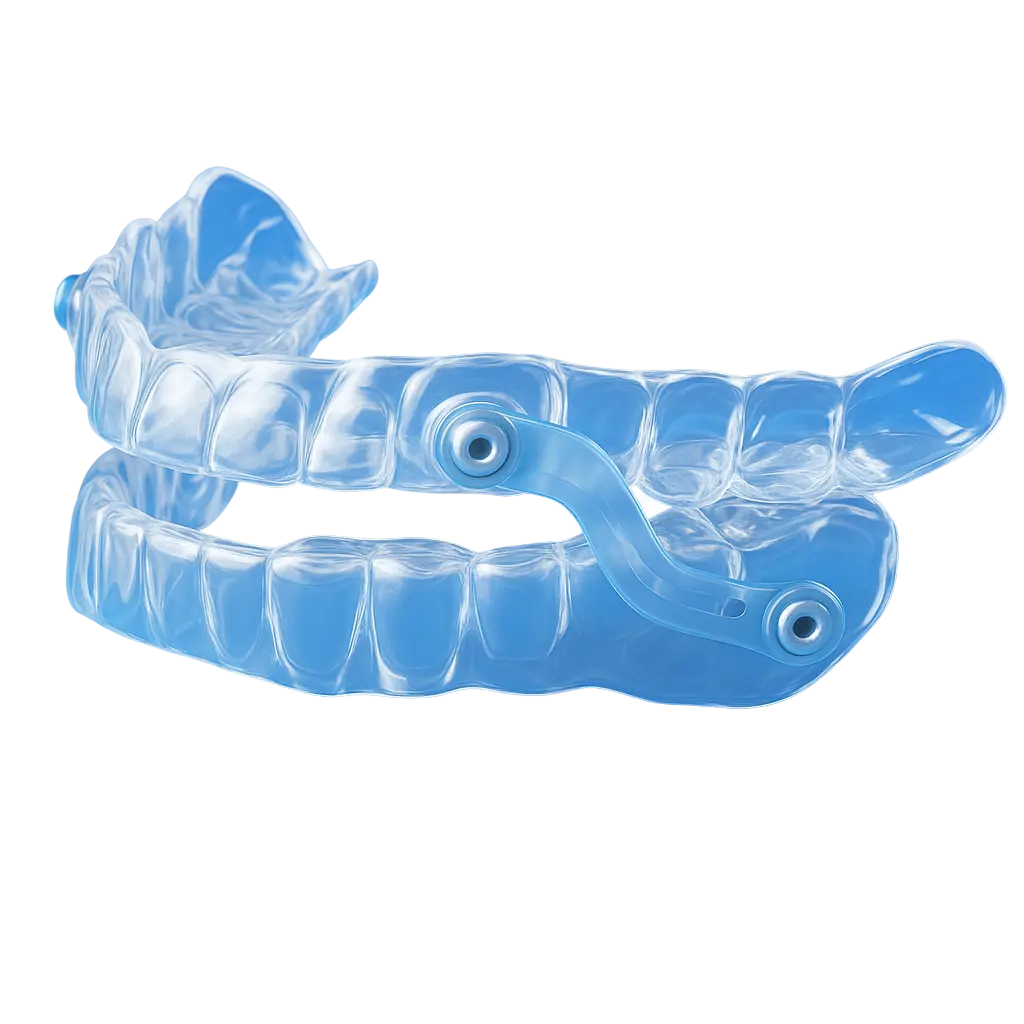
An oral appliance is a little device that you wear in your mouth during sleep. A Bronx dentist who is trained in this work can make one that fits you. It is quiet. You can carry it easily. It is simple to use. This device is a good choice if you do not want to use CPAP. Let us talk about what this is and how it works.
What Is Oral Appliance Therapy and How Does It Work?
Oral appliance therapy is a way to help with breathing while you sleep. This treatment option does not use air pressure like a CPAP. It uses a mouthpiece that fits you. The mouthpiece moves your jaw or tongue. This helps keep your airway open at night. People choose appliance therapy because it is simple and easy to use.
Most oral appliances are called mandibular advancement devices. This is how they work:
- The device goes over your upper teeth and lower teeth. It is like a mouth guard that athletes use.
- It moves your lower jaw a little forward in a gentle way.
- When your lower jaw goes forward, your tongue and other soft parts move away from your throat. This gives more room for air to move in and out easily.
How a Sleep Apnea Mouth Guard Is Fitted by a Bronx Dentist
Getting a sleep apnea mouth guard is simple and starts with a visit to a Bronx dentist. A sleep specialist does a checkup and gives you a prescription to help you get the right device. Mouth guards sold in stores do not work well for this. A custom fit is needed to get good results.
Here is what the fitting steps will be like.
- Consultation: Your dentist, who knows about dental sleep medicine, will look at your teeth, your jaw, and your airway.
- Impressions: They will use molds to get a copy of your teeth. This will help make a device that fits you well.
- Fitting and Adjustments: When your device is made, you will visit your dentist again. He or she will show you how to use it and will change things so your lower jaw stays in a good forward position. This helps make sure you get a comfortable and good treatment with sleep medicine.
Our dentists follow all the rules set by groups like the American Academy of Dental Sleep Medicine. This helps to make sure your treatment is safe and works well. You will need to go for regular check-ups with your Bronx dentist. These check-ups are important so your dentist can watch your progress. If changes to your dental sleep medicine care are needed, your dentist will make them. This way, you get the best results from your sleep medicine treatment.
Types of Oral Appliances Used for Sleep Apnea Treatment
Not all oral appliances work in the same way. To get good results with oral appliance treatment, it’s key to pick one that fits your needs. There are two main types to think about. One is called mandibular advancement devices. The other is tongue retaining devices.
Both are made to stop your airway from getting blocked and help with sleep apnea symptoms. But, each one works a little differently. Your dentist will talk with you and say which option is right for you. Let’s look at each type to know how they work.
Mandibular Advancement Devices (MADs) Explained
Mandibular advancement devices are the most used type of oral appliance for sleep apnea. They look like a mouth guard, but do a bit more. You snap them onto your upper and lower teeth. These devices have a way to hold your lower jaw in a forward position that feels comfortable. Using a mandibular advancement device can help when you have sleep apnea and need to keep your lower jaw in a better spot to let air flow freely.
When you use a MAD, it pushes your lower jaw forward. This also moves your tongue and soft tissues to the front. It helps open up the way for air at the back of your throat. This keeps your airway from closing when you sleep. A MAD is a good way to stop snoring and sleep apnea problems if you have mild or moderate sleep apnea.
Custom-made MADs are better because they feel more comfortable. They work better than the ones you buy off the shelf. A dentist can change the device so your jaw stays in the right forward position. This helps you breathe easier and does not hurt.
Tongue Retaining Devices (TRDs) and Their Role
Tongue retaining devices, also called TRDs, are not like MADs. They do not move the jaw. A TRD works by holding your tongue. The device is soft and feels like a small bulb. It uses gentle suction to keep your tongue in a forward position.
This can help people with sleep apnea if their tongue keeps dropping back and getting in the way of the upper airway. A TRD stops the tongue from falling against the soft palate. This lets your upper airway stay open. People can use TRDs, and these be a good choice for those who have sleep apnea because of their tongue blocking the airway.
- They cannot move their jaw forward in a way that feels good.
- They have problems with their jaw joint (TMJ).
- They do not have enough teeth to help a MAD work.
While most use MADs, TRDs may work well for some people. A TRD can help you if your sleep apnea comes from your tongue blocking your airway. Your dentist will look to see if this is the case for you. If so, a TRD could be a good option.
CPAP vs Oral Appliance: Comparing Comfort and Convenience
When looking for a sleep apnea treatment, you need to think about how comfortable and easy it is to use. The best sleep apnea treatment is the one you will use every night. A cpap machine and oral appliance therapy feel very different to many people. For some, appliance therapy is much easier than cpap machine. You have to choose what works best for you.
The type of mask you use with a CPAP can feel tight, and it may feel like it gets in the way. On the other hand, the type of oral appliance you use is small, and it stays inside your mouth. Let’s look at how each one fits into your day, both when you are at home and when you are away.
Ease of Use at Home and While Traveling
Your sleep apnea treatment needs to suit the way you live. It should not take over your life. A CPAP machine can feel big and heavy to carry. This is extra hard if you have to travel. You need to pack the cpap machine and bring the hose, mask, and water. You also have to find an outlet every time you use it.
Oral appliance therapy gives you the most freedom and is very easy to use. With appliance therapy, you do not have to deal with any wires or big machines. It is simple for people to travel with. You get to feel comfortable and not feel tied down by anything. This is great for people who want an option that works with their day-to-day life.
- Portability: This oral appliance is small, so you can put it in your pocket and take it anywhere.
- No Electricity Needed: You can use the device in many places. It works when you are on a camping trip or on a long plane ride.
- Simple Maintenance: You only need to clean it with a toothbrush, just like how you brush your teeth.
- Discreet: The device is quiet. No one around you will notice it.
For people who like a simple routine and want to travel more, using an oral appliance is a good choice. It does not keep you stuck to a machine or an outlet.
Nighttime Comfort: Masks Versus Mouth Guards
What you wear when you go to bed can really change how you feel during the night. A CPAP mask might make you feel closed in. It can leave marks on your face, too. Some side effects can happen, like getting a dry mouth or a stuffy nose. The air from the machine can also feel annoying.
A sleep apnea mouth guard that is made just for you feels a lot more natural to use. Because it fits to your mouth, it sits snug and is comfortable. It does not feel out of place or bulky.
Here’s how they compare on comfort:
- Freedom of Movement: A mouth guard lets you sleep how you like. The, there are no hoses to get in the way. You can move in bed with no problem.
- Less Irritation: You do not have to use straps or feel a mask pressing on your skin. This helps you feel good at night.
- Natural Breathing: A mouth guard helps keep your upper airway open. It does not push air into your lungs, so breathing feels easy and natural. Upper airway patency is better with this.
For a lot of people, moving from using a mask to a mouth guard can help them sleep well all night. This change might be the thing that lets them rest better and feel good in the morning. It is not hard to see why some choose a mouth guard over a mask. Many find that it can be the way to have a quiet and calm night.
Effectiveness: How Well Do These Sleep Apnea Devices Work?
Comfort matters, but a treatment has to help, too. So, are these sleep apnea devices good at treating the problem? Both CPAP and oral appliances are shown to help with sleep apnea. Their results can change based on the person and how bad their sleep apnea is.
Many studies, like randomized clinical trials, have looked at both treatments. CPAP is often the top choice for bad cases. Still, oral appliances work very well to help with symptoms. This is true, especially when you look at how often people use them.
Symptom Relief and Long-Term Outcomes
Oral appliance therapy is a good way to help with sleep apnea. It can lower sleep apnea symptoms in many people. Research shows that about 70% of patients feel better when they use these devices. About one out of three people sees their sleep apnea symptoms go away fully with this treatment.
This means you get some good things that help make your quality of life better.
- Fewer Apnea Events: Oral appliances help you have fewer stops in breathing every hour, which lowers your hypopnea index and helps with better sleep.
- Better Oxygen Levels: The device keeps your airway clear so your blood oxygen stays good during the night.
- More Energy: This makes you feel more rested and gives you more energy for work and your hobbies.
Research says that people who have a lower body mass index (BMI) usually get the best results. But some other people can also get help from it. The main thing is to pick a treatment that you feel good using all the time. This is how you see long-term changes with your body mass index.
Success Stories From Our Bronx Dental Sleep Medicine Team
At our Bronx dental office, we see how oral appliance therapy can change lives every day. Many sleep apnea patients come to us after struggling for years. They could not get better sleep with CPAP. Now, they use appliance therapy and feel more rested. We feel good knowing we help people with sleep apnea to get the sleep they need.
Our patients say they feel like a whole new person. This is what we hear from them the most:
- One patient, who travels a lot, said his oral appliance gave him his freedom back.
- Another patient’s partner was happy because the loud snoring stopped.
- Many people say they feel more energy for their kids and grandkids than they have in years.
Our Bronx dentist talks to each patient to make a plan that fits their needs. We feel happy when people do well with us. These stories show that the right treatment plan can help you beat sleep apnea.
Lifestyle Fit: Adapting Your Routine With Each Therapy
Choosing sleep apnea therapy is something the person will stick with for a long time. That’s why you need to choose a treatment that works with your everyday routine. How much you use your treatment really shows if it will work or not. Using your sleep apnea therapy every day is one big way to see good results.
A treatment will only help if you use it as you should. A therapy that is easy to start and stick with can help with better sleep. When you get good sleep, it can also help you keep up with other healthy habits like exercise and weight loss. Let’s see how people use each therapy in real life to get better sleep and feel good about their weight loss and health.
Adherence Rates and Real-Life Experiences
There is a clear difference between how people use CPAP and oral appliances in real life. Most studies say that the CPAP compliance rate is only around 50%. So, about half of the people given a CPAP don’t use it as much as they should. This means many do not get all the health benefits from CPAP. When thinking about oral appliances, this is an important thing to know.
Oral appliance therapy stands out because it has a high rate of use. About 90% of people stick with their appliance therapy. Why is there such a big gap?
- Comfort: A lot of people feel better using a small and soft mouth guard. They may not want to wear a big mask.
- Convenience: It is very easy to use, so you can keep to your routine without trouble.
- Quiet: The mouth guard does not make noise and will not bother you or people near you.
This shows that for many people, oral appliance therapy is a better long-term way to treat sleep apnea. A good quality of life often comes from picking a treatment you can use each night. When you stay with appliance therapy, you may feel better over time and get good sleep.
Maintenance and Care Requirements
Keeping sleep apnea devices clean is very important for your health. A CPAP machine requires regular care. You have to clean the mask, tubing, and water chamber every day. This helps to stop bacteria from growing.
Oral appliance therapy is easier to keep up with. You just need a simple and fast cleaning routine. This is one reason people stick with appliance therapy.
- Daily Cleaning: To clean it every day, just use a soft toothbrush with cool water and gently brush the appliance.
- Deep Cleaning: Every now and then, you can soak the appliance in a denture cleaner or a special cleaning solution to keep it fresh.
- Regular Checkups: Bring your device with you when you visit your dentist. This way, they can make sure it’s staying in good shape.
Taking care of an oral appliance is much easier than the steps needed for a cpap machine. This makes the oral appliance a better and simpler choice to include in your everyday routine.
Side Effects and Safety: What Bronx Patients Should Know
Every medical treatment may have some side effects. You need to know about them. Oral appliance therapy, which is used for sleep apnea, is very safe. It is also very good at helping compared to not treating sleep apnea at all. But there are some things that you should keep in mind when using appliance therapy.
For people in the Bronx thinking about this way to help with sleep apnea, it is important to know about the possible side effects. Most of the time, the side effects are small. A dentist can help you deal with them, even if you have severe sleep apnea.
Potential Risks With Oral Appliance Therapy
When you begin oral appliance therapy, you may feel some side effects at first. It is normal as your mouth gets used to the appliance therapy. Most side effects are mild. They will go away in a few weeks. This time can be an adjustment for your jaw and teeth.
Some of the possible side effects and risks are as follows:
- Jaw Soreness: You might feel that your jaw muscles are tired or sore when you wake up.
- Excess Saliva or Dry Mouth: Your mouth might feel dry or you could have too much saliva, because of how it reacts to the device.
- Tooth Discomfort: There may be a little pressure on your teeth, which can feel uncomfortable.
- Bite Changes: Some people, over time, may see changes in how their teeth line up together.
These side effects can usually be dealt with. The treatment works well for many people, but it might not be the best choice if you have severe obstructive sleep apnea. In most cases of obstructive sleep apnea, CPAP can be better. Talk with your dentist about these side effects. This will help you know what to expect and feel more sure about your care for obstructive sleep and sleep apnea.
How Bronx Dentists Manage and Minimize Side Effects
The best way to get good results and feel comfortable with oral appliance therapy is to see a skilled Bronx dentist. A dentist with training in sleep medicine can make a treatment plan that helps keep side effects low from the start. This way, you get the right appliance therapy that works for you.
If you feel jaw soreness or if your teeth hurt, your dentist can help. They will make small changes to your device. The dentist will work with you to find a good spot for your jaw that feels right and works well for you. It is important to have regular check-ups. These help the dentist watch your progress and keep your bite healthy.
Your dentist is a key part of your healthcare provider team. They often talk with your sleep specialist to check if your treatment is working. When a local Bronx dentist manages your care the right way, side effects are usually small and don’t last long. This makes it a safe and good therapy for you.
Conclusion
To sum it up, CPAP therapy and oral appliance therapy both help people who have sleep apnea. Many find CPAP machines work, but they can be hard to use and feel uncomfortable. A lot of people in the Bronx look for other choices because of this. Oral appliance therapy, including a sleep apnea mouth guard, gives a good and easy way to get better sleep. It is simple to add it to your day and feels better to most people. When you decide what is best, think about what fits your life and feels right for you. If CPAP therapy is not working, a Bronx dental sleep team can help you see if appliance therapy is what you need. Better sleep comes from picking the best choice for you.
Frequently Asked Questions
From how the AMA works to what to expect during the process, here are the most common questions we hear, answered simply and clearly.
Oral appliance therapy is a good way to treat people who have mild to moderate sleep apnea. Many also use this if they cannot deal with CPAP. A sleep specialist can look at your case, give a diagnosis, and tell you if this appliance therapy is right for you. This will make sure you get the best help for your own needs.
There is often a short time of a few weeks to get used to oral appliance therapy. During this time, you may feel some side effects like jaw pain or more saliva. But most people see these problems fade as they get used to the appliance therapy. Regular check-ins with your dentist help make sure your sleep quality gets better over time.