8 min read
How Treating Sleep Apnea Turned My Exhaustion Into the Best Sleep (and Health) of My Life
Key Highlights
- Sleep apnea is a serious problem where your breathing stops and starts many times while you sleep. This breaks up your sleep and can make your quality of life worse.
- Oral appliance therapy is a proven and non-invasive choice instead of cpap treatment. This uses a mouthpiece made just for you to keep your airway open.
- Treating sleep apnea can really cut down on symptoms like snoring and daytime sleepiness.
- Getting effective treatment for sleep apnea can lower your risk for big health problems like heart disease and high blood pressure.
- A lot of people use oral appliances instead of cpap because appliance therapy is easier and more people stick with it over time. This means it can be a more steady solution for sleep apnea.
Introduction
Do you feel tired all the time, no matter how much you sleep at night? Does your partner talk about how much you snore? You might think it is just a few bad nights of sleep, but it can be a sign of sleep apnea. The good news is getting treatment for sleep apnea does more than help you sleep at night. It can make your days better too. Getting help from sleep medicine experts and starting the right treatment for sleep apnea is a great way to feel better and work toward better health and more energy in your life.
Understanding Sleep Apnea and Its Impact
Sleep apnea is not only about loud snoring. It is a medical problem where you stop breathing at different times while you sleep. These breaks stop a steady flow of oxygen. They also raise airway pressure in the body. Because of this, you do not get the deep and restful sleep that you need.
Knowing the symptoms of sleep apnea is an important first step to see how it can affect your quality of life. If you do not get the right diagnosis and help from sleep medicine, this problem can slowly hurt both your body and mind. In this guide, we will talk about what sleep apnea is, the warning signs to look for, and how it takes away your good sleep.
What Is Sleep Apnea? Types and Causes
Sleep apnea is a problem where you stop breathing for short times when you sleep. The most common type of sleep apnea is called obstructive sleep apnea. This type happens when the muscles in your throat, like your soft palate, relax and block your airway. There is another type of sleep apnea called central sleep apnea. In this type, the brain does not tell the body to breathe in the right way while you sleep. Both types can make it hard for people to feel good and rest at night.
The condition called sleep apnea can have different levels. It can go from mild to moderate sleep apnea, or even to severe sleep apnea in some people. Every time you stop breathing for a short time, it makes you partly wake up so you can start to breathe again. You might not know it happens. This can go on over and over during the night, even happening hundreds of times.
Treatments like oral appliance therapy can be helpful for many people. This way uses a mouthpiece made just for you. The oral appliance keeps your jaw or tongue in a good position, so your airway stays open. With appliance therapy, you can breathe well and sleep better all through the night.
Common Warning Signs and Symptoms
Knowing the symptoms of sleep apnea is very important if you want to get help. A lot of people do not know they have sleep apnea. This is because the main signs happen when you sleep. Most times, it is a bed partner who will notice the loud snoring or times when you stop breathing.
Poor sleep doesn’t just cause problems at night. The side effects show up during the day as well. You might feel tired all day, which makes it hard to stay awake at work or when you drive. This daytime sleepiness and daytime fatigue can make it tough for you to concentrate and do normal tasks.
Here are some common warning signs to watch for:
- Loud snoring that keeps going all night
- Choking or gasping while you are sleeping
- Waking up and having a dry mouth or a sore throat
- A headache when you get up in the morning
- During the day, you feel tired or sleepy and have daytime fatigue
The main benefit of using an oral appliance or another effective treatment is that it can greatly cut down or stop these disruptive symptoms.
How Sleep Apnea Disrupts Quality Sleep
The main issue with sleep apnea is how it breaks up your sleep. When your upper airway closes and you stop breathing, your brain quickly tells you to wake up a little and take a breath. This keeps you from getting into deep sleep, which helps you feel rested. You might not remember waking up at night, but it stops you from having restful sleep.
This ongoing disruption can really affect the quality of life. It leaves you tired and cranky. The condition is not just hard for you. Loud snoring can also stop your bed partner from getting good sleep. This can put a strain on your relationship and make everyone in the house more tired.
Effective treatments like oral appliance therapy help keep the upper airway open. They make sure it does not close while you sleep. This stops apnea events, so you get quality sleep all night. Appliance therapy can help both you and your partner sleep well and feel rested in the morning.
The Risks of Untreated Sleep Apnea
Leaving sleep apnea untreated can be very risky for your health. Sleep apnea causes the body to go through several drops in oxygen levels at night. This can put the heart and blood vessels under a lot of stress and may lead to high blood pressure. It can also mean there is an increased risk of getting heart disease. Having sleep apnea is not just a problem with sleep. The long-term effects can hurt your health in many ways.
Beyond the physical effects, always know that sleep apnea can lead to long-term lack of sleep. This can make your mental health worse. It can also harm the way you think and remember things. It is important to learn about these risks. Knowing this helps you see why getting treatment for sleep apnea is so important for your health and life.
Sleep Apnea and Heart Health
The link between untreated sleep apnea and bad heart health is clear. Sleep apnea can make your blood pressure and heart rate go up each time it happens. Over time, this can lead to ongoing high blood pressure. Having high blood pressure be risky for heart attack, stroke, and heart failure. So, it’s important to learn how sleep apnea and blood pressure work together and know why untreated sleep apnea can make heart problems worse.
The severity of sleep apnea is often connected to a higher risk for heart problems. Research shows that people who have more or longer breathing pauses during sleep can develop these serious health issues. If you ignore the severity of sleep apnea, you put your heart under stress every night, and that is not good for your health.
While some treatments, such as oral appliance therapy, can cause mild side effects like a sore jaw, these issues are not serious when you look at the life-threatening risks of untreated sleep apnea. A study showed that both CPAP and oral appliance therapies help lower blood pressure. Treating sleep apnea is important and is good for your heart health for many years to come.
Mental Health Effects of Poor Sleep
The impact of sleep apnea is not just about your body. It can also hurt your mind. When you do not get enough good sleep, your cognitive function drops. You may have a hard time with memory, focusing, or making choices. This “brain fog” can make it tough for you to do well at your job or in your everyday life.
If you feel sleepy during the day and your energy is low, you might feel more moody, get irritated easily, or feel sad. The way you feel and your mental health depend on your sleep quality. If you find it hard to breathe at night, it can really affect how you feel and think.
Effective treatment can help fix these problems. Oral appliance therapy and CPAP machines help you sleep well again. This can give you more energy, help you think clearly, and make you feel better. Choosing a treatment like oral appliance or CPAP machines that you will use every day is important. This way, you get back your mental and emotional wellness.
Untreated Sleep Apnea Risks for Daytime Wellbeing
The main issues with untreated sleep apnea are easy to notice in the day. Daytime sleepiness and tiredness make it unsafe to drive or use any machinery. This puts you at higher risk for accidents. With sleep apnea, you feel worn out all the time. You find it hard to feel good or have energy for work, your family, or your favorite hobbies. This lowers your quality of life.
Many people who have trouble with these symptoms can get help from treatment. If you have mild or moderate sleep apnea, or if you find CPAP use hard, an oral appliance or appliance therapy can work well. The main goal is to find a way to treat sleep apnea that fits your life, so you feel good using it every day.
Here’s how treatment can change your days:
Aspect of Wellbeing
With Untreated Sleep Apnea
With Consistent Treatment
Energy Levels
Constant daytime fatigue
Increased energy and alertness
Concentration
“Brain fog” and poor focus
Sharper cognitive function
Mood
Irritability and moodiness
Improved emotional stability
Safety
Higher risk of accidents
Lower risk of drowsy driving
Exploring Treatment Options for Sleep Apnea
If you have sleep apnea, there are good ways to help you feel better. Many sleep apnea patients can make a big change in their life with the right treatment option. People often use cpap treatment, oral appliance therapy, or they focus on lifestyle changes to feel better. Oral appliance therapy and appliance therapy are also great choices for those with sleep apnea.
Each one of these ways helps you breathe well at night in its own way. Knowing how each option works can help you and your doctor pick the best one for you. Let’s take some time to look at these treatments more closely.
CPAP Therapy Benefits and How It Works
Continuous Positive Airway Pressure, or CPAP, is often the best way to treat moderate to severe sleep apnea. CPAP machines help by sending a steady stream of air pressure into a mask. You wear this mask over your nose or mouth while you sleep. The constant air pressure keeps your airway open and stops it from collapsing. This is how positive airway pressure helps people with sleep apnea feel better at night.
While cpap treatment helps well to stop apnea events, some people feel that the machines are big and hard to use. Only about half of the people keep up regular cpap use. They often have problems with the feel of the mask or the sound of the machine.
When you use CPAP therapy the right way, it can help a lot.
- It helps cut down or stop apnea and snoring.
- It makes your sleep quality better and helps you feel less sleepy during the day.
- It lowers blood pressure and brings down the cardiovascular risk.
For people who can use it, CPAP is a strong choice. But, it is not the only way to help with this.
Oral Appliance Therapy: Overview and Uses
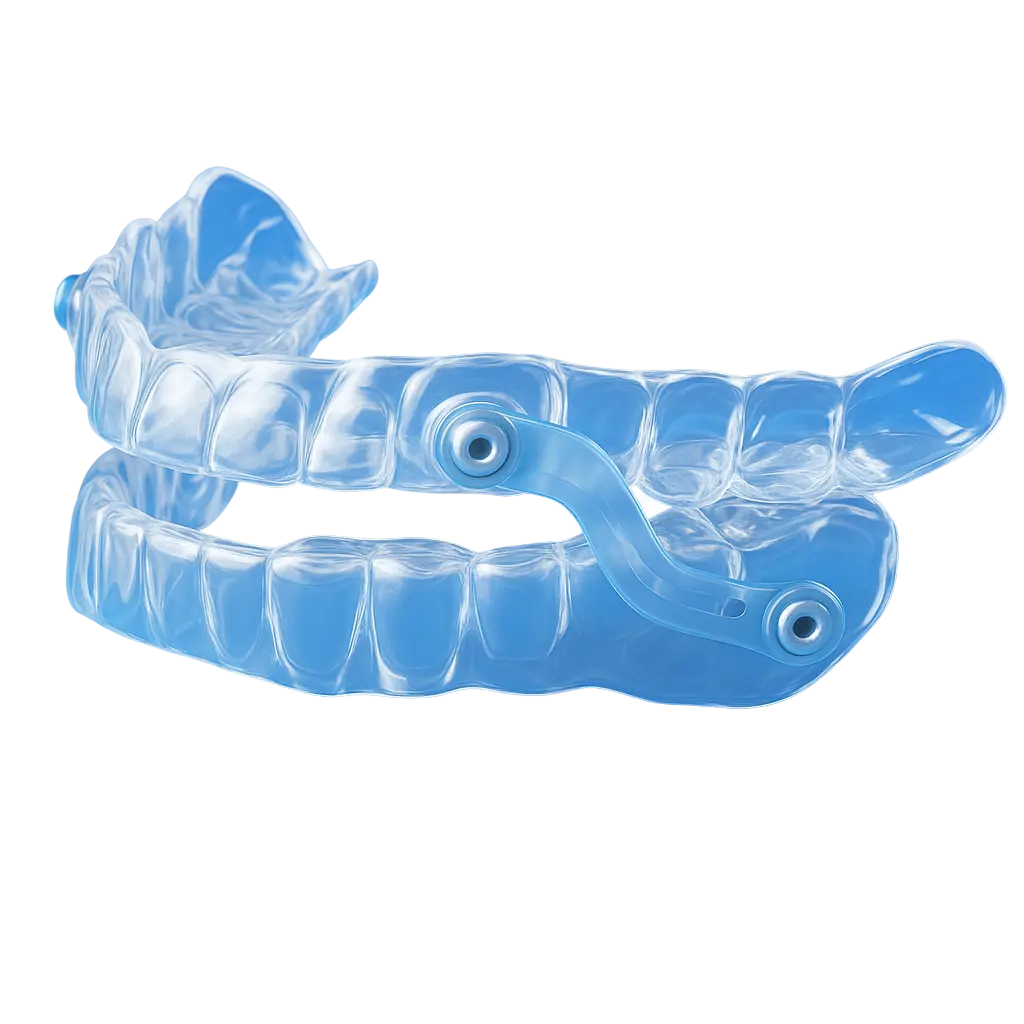
Oral appliance therapy is a good way to help with mild to moderate sleep apnea. This therapy is not as hard on the body as some other treatments. It uses a special oral appliance that fits your mouth. It looks a lot like a sports mouthguard. You wear it when you go to sleep. The most common type is called a mandibular advancement device. This appliance works by moving your lower jaw a little bit forward. This helps people with sleep apnea feel better while they rest.
This small change helps tighten the muscles at the back of your throat. It also stops your tongue from blocking the airway. With MAD therapy, your airway stays open. This makes it easy to breathe all night for a good sleep. It is an important part of dental sleep medicine.
These devices are given by your doctor and made just for you by a dentist. This is done so they fit your mouth well and feel comfortable. A lot of people with sleep apnea find cpap machines hard to use, or feel that they do not work for them. For them, an oral appliance can be a good choice. It is quiet, easy to carry, and helps with sleep apnea.
Lifestyle Changes That Support Better Sleep
Along with medical help, making some lifestyle changes can help manage sleep apnea and make your sleep better. These changes work with treatments like oral appliances. They may also help lower how strong your symptoms are.
Weight loss can help a lot. If you have extra weight around your neck, it can make it hard to breathe when you sleep. This may block your airway.
Another thing that works is positional therapy. It stops you from sleeping on your back. People tend to snore or have more trouble with sleep apnea when they sleep this way. So changing your sleeping position can be good for you.
Consider incorporating these supportive habits:
- Try to do some regular exercise and have a good diet. This can help with weight loss. Keeping your weight down is good for your upper airway too.
- You can use pillows or special tools that help you stay on your side while you sleep.
- Don’t drink alcohol or use sedatives before you go to bed. These things can relax the muscles in your throat.
- Try to stop smoking. Smoking can make inflammation worse in your upper airway.
Making these lifestyle changes can make any treatment plan work better.
Real-Life Transformation: From Exhaustion to Better Sleep Better Life
Imagine you feel tired all the time. One day, you wake up feeling rested and full of energy. This new way of life is real for many people with sleep apnea. They get help and see big changes. Moving from being diagnosed to getting the right therapy makes them feel less tired and more alive. People say their life is better after treating sleep apnea.
This change helps you feel not just less tired but also improves your health, focus, and happiness. When you get help from sleep medicine experts, you can find the best treatment for you. This will bring better results and make your life feel much better.
Personal Story: Discovering the Right Treatment
For many years, Mark thought being tired all the time was a normal part of getting older. He would wake up feeling worn out. Most days, he had to push himself to get through work. At night, he often fell asleep on the couch. His wife got worried about his loud snoring. She also noticed that he sometimes stopped breathing while he slept. At last, he talked about it with his healthcare provider.
After a sleep study, it was clear that he had moderate sleep apnea. His doctor talked with him about every treatment option for this. He tried to use a CPAP machine, but he did not like the mask. It felt too tight. The hose made him feel trapped. He felt bad about this and almost gave up trying to get help. Then, the doctor told him about oral appliance treatment as another way to treat sleep apnea.
Mark went to a dentist who works in sleep medicine. The dentist made molds of his teeth. This was to help make a special device that would fit his mouth. The steps were easy, and Mark felt hopeful. He saw that this could be the way to help him at last.
Positive Changes in Sleep and Health After Therapy
The first night that Mark used his oral appliance, his wife saw a big change right away. There was silence. His snoring was gone. For the first time in years, Mark woke up feeling well rested. This change was amazing. He did not need to take many cups of coffee in the morning just to feel like himself.
As the weeks passed, he had less daytime sleepiness. He could focus better at work, and his energy came back. He felt more like himself than he had in the past ten years. This shows that oral appliance therapy helps a lot to reduce daytime sleepiness and bring back restful sleep. Oral appliance therapy can make people feel good again.
Whether you choose cpap treatment every night or feel better with an oral appliance, picking the right therapy can help you get better health. For Mark, using the mouthpiece was what made him sleep so well through the night. He got peaceful rest without waking up.
Long-Term Benefits: Energy, Focus, and Emotional Wellness
Mark’s treatment did more than help him sleep well at night. Over time, he saw big changes in his quality of life. He had more energy, so he could do more things with his family. The brain fog he had before started to clear.
His better cognitive function helped him do more and feel sure of himself at work. Just as important, his emotional wellness got better. With enough rest, he was not as irritable and was more patient. This made his relationships stronger.
The benefits of sticking with treatment made things better in many parts of his life.
- Sustained Energy: He had the stamina to work and keep up with hobbies. He could also spend time with his family. All these things were easier for him.
- Mental Clarity: His memory got better. He could focus more and it did not feel as hard as it had in past years.
- Improved Mood: He felt happier. He was more calm and his feelings were more steady.
Conclusion
In the end, taking care of sleep apnea is not just about making your nights better. It can change your body and help you feel good in your daily life. When you treat this common problem, you can feel that energy and life that comes with getting good sleep. Treatments for sleep apnea, like CPAP therapy or small lifestyle changes, can help lower the dangers that come from leaving sleep apnea untreated. This helps improve sleep quality. It also supports your mind and body to feel strong and healthy. If you want better sleep, reach out to your doctor or find a sleep specialist. Together, you can find ways to feel better, sleep well, and make your life healthier.
Frequently Asked Questions
From how the AMA works to what to expect during the process, here are the most common questions we hear, answered simply and clearly.
Yes, oral appliance therapy is one of the best ways to treat mild to moderate obstructive sleep apnea. This treatment option is often suggested for those who find it hard to use CPAP machines or cannot handle regular CPAP treatment. Oral appliances are sometimes more comfortable for people, so they may use them more often and get better results than if they leave their CPAP machines unused.
Whether you start CPAP use or go with oral appliance treatment for sleep apnea, there will be a short time to get used to it. You may feel some side effects like dry mouth or your teeth feel some discomfort. These things usually go away in a few weeks as you get used to the oral appliance. Regular follow-ups help make sure the device fits you well.
An oral appliance is a good way to treat OSA, especially when the case is mild or moderate. Oral appliance therapy helps keep the airway open. With appliance therapy, you can have fewer or no stops in breathing while you sleep. This helps you get better sleep quality each night. The sleep you get will feel more restful. It also helps cut down on daytime fatigue and lets you feel better overall. Using an oral appliance means you get better health with a simple solution for the treatment of OSA.